Linguistic Minority
One examination, one report card and one parent-teacher meeting. Sometimes an entire year of learning seems to come down to a few numbers. Students prepare for months, parents wait anxiously for results and teachers work tirelessly to help their students succeed. But when the results arrive, do those marks really tell us everything we need to know about a child?
I believe education should be about much more than academic performance. Every student learns differently and discovers their strengths at their own pace. Every student also needs the freedom to explore their interests. Some excel in examinations, while others find their confidence through public speaking, creative projects, sports or working with their peers. Shouldn't all these experiences matter when we evaluate a student's growth?
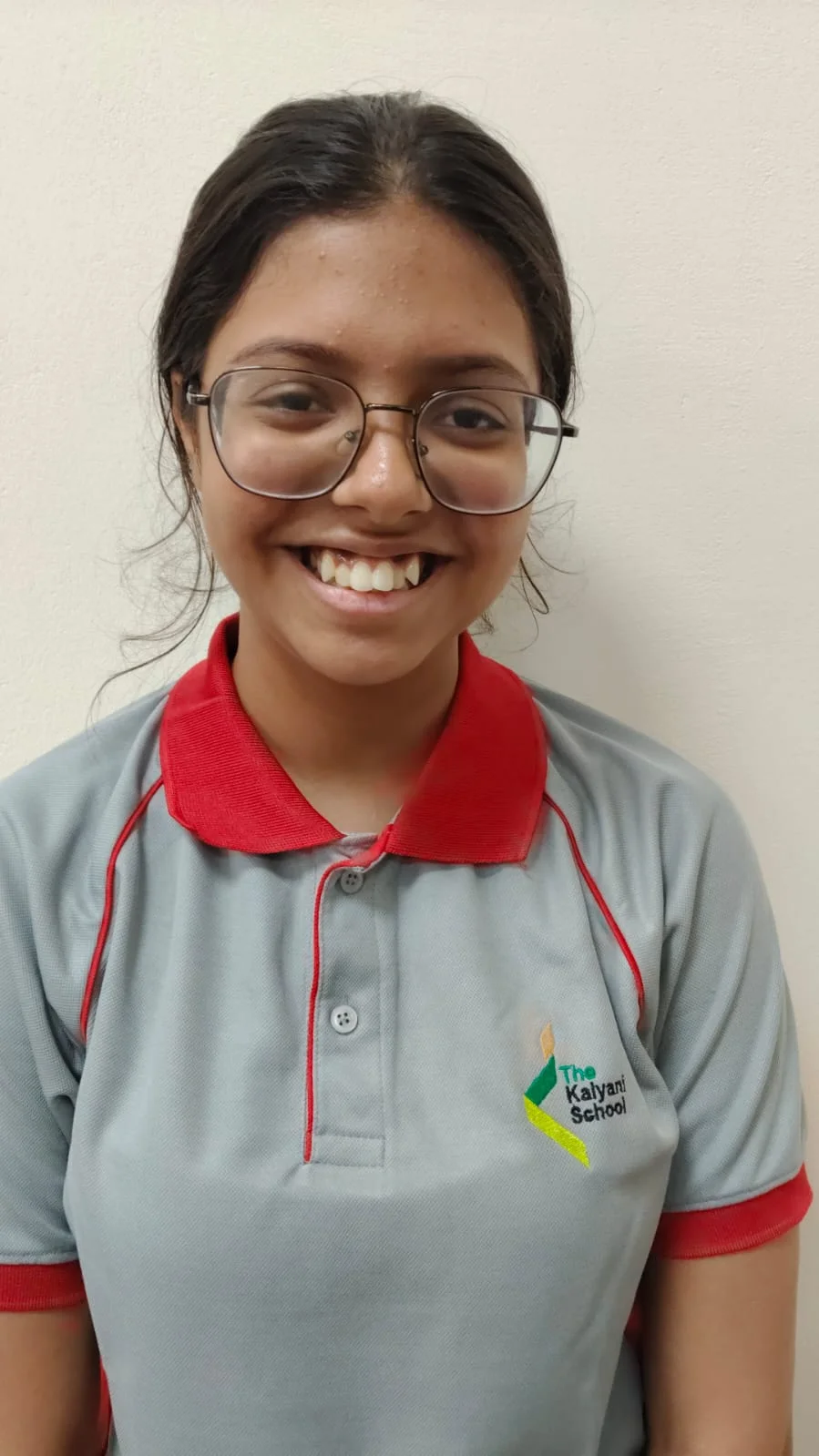
At the Kalyani CBSE School, I have come to see education as something that extends far beyond the classroom and the examination hall. To me, this school is an opportunity knocking on my door every day, and a home that gives its students the freedom to explore, make mistakes and work towards becoming better versions of themselves. What makes this experience meaningful is having teachers who are willing to guide, encourage and support students along the way. Knowing that there are people who want you to improve and help you understand where you can do better, makes a genuine difference. It reminds you that learning takes time and that progress deserves recognition too.
A progressive teaching methodology in education recognises that learning happens every day and not just during examinations. A classroom discussion can reveal a student's ability to think critically. A group project can demonstrate leadership and collaboration. A presentation can help a student develop confidence and communicate ideas effectively. These experiences provide teachers with a broader understanding of student development and help learners recognise that their abilities extend beyond their marks. Holistic assessment also gives parent-teacher meetings a more meaningful purpose. Instead of discussing marks alone, teachers and parents can talk about a student's progress, challenges, interests and areas for improvement. At The Kalyani CBSE School, the support students receive from their teachers can help make these conversations constructive. The focus remains on growth rather than comparison. Examinations remain important. They help assess subject knowledge and prepare students for future academic challenges. However, they cannot always capture the determination it takes to improve, the courage to attempt something unfamiliar or the confidence gained by stepping outside one's comfort zone.